
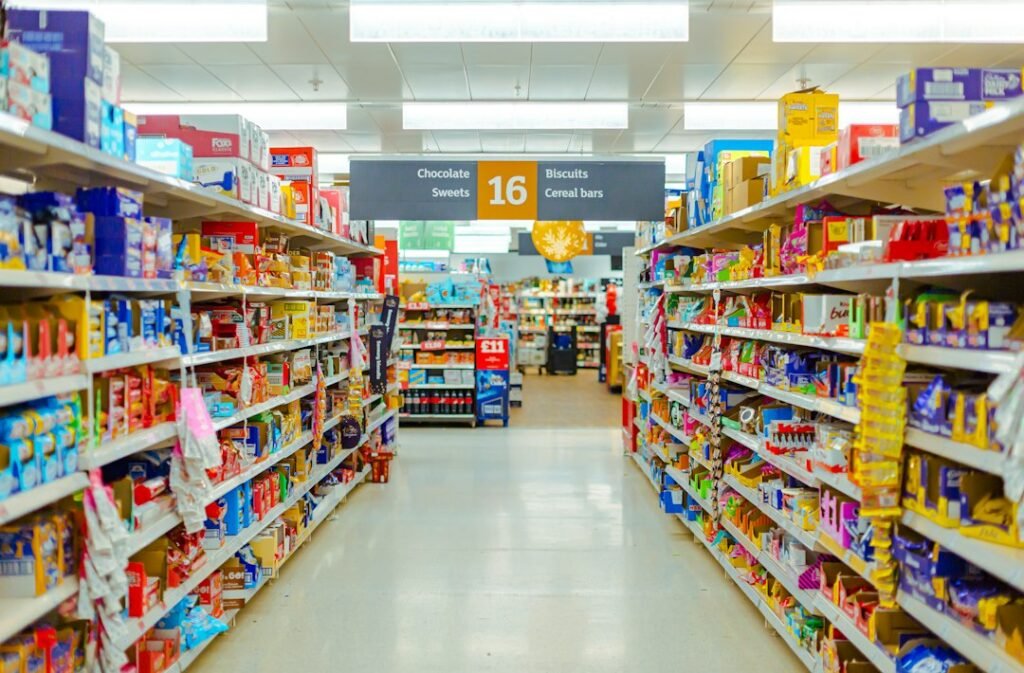
A bright sale sign can make a product feel like a bargain, but the shelf price does not tell the whole story. Package sizes differ, promotions may require buying more than a household needs, and a low-cost item can become expensive if it goes unused. Comparing a few consistent measures can make grocery decisions clearer.
Compare the same unit
Look for the unit price shown on the shelf label—often cost per ounce, pound, quart or count. If one package costs $4.80 for 24 ounces and another costs $3.60 for 16 ounces, the first costs 20 cents per ounce while the second costs 22.5 cents. The larger package is cheaper per ounce, but only if you can use it before it spoils and the upfront cost fits your budget.
Check the actual amount in the package
Packaging can look similar while net weights differ. Compare weight or volume, not just the number of containers. For products sold by count, consider whether pieces are the same size. For prepared foods, compare the usable amount and the effort required to prepare them.
Understand promotions
“Buy two, get one” is not automatically a saving if you only need one. Calculate the cost per unit and check whether the offer requires a loyalty account or coupon. Compare the sale price with the regular price at another store when practical. Do not assume a percentage-off label represents the lowest price available.
Include waste and convenience
Fresh produce, bulk items and large containers may have lower unit prices but higher waste for a small household. Frozen vegetables, shelf-stable ingredients or smaller packages can be better value if they are more likely to be used. Convenience products may cost more per serving but save time; the right choice depends on budget, schedule and household needs.
Compare store brands fairly
Store brands can be a useful way to reduce costs. Compare ingredients, nutrition information, quantity and quality for the foods that matter to you. For some products the difference may be negligible; for others, taste or specific dietary needs can make the choice personal. You do not need to switch every item to see savings.
Track three numbers
For a month, note the total grocery bill, the amount of food thrown away and the number of unplanned trips. Frequent small trips can add impulse purchases and transport costs. A short planned list and a weekly pantry check may save more than comparing every single price.
A simple decision rule
- Compare unit price.
- Check package size and storage life.
- Ask whether the household will use it.
- Confirm the final price after coupons or membership requirements.
- Choose the option that fits both cash flow and real needs.
Bottom line: The best deal is not always the lowest price per ounce. It is the lowest reasonable total cost for the amount you will actually use, with acceptable quality and no unnecessary waste.
For additional food-planning guidance, visit MyPlate.gov. This article is for general educational purposes.